
Shared trip
Bhutan, Tiger's Nest, Punakha, and a few quiet valleys
Copying makes a new trip in your account with the same destinations, and you generate the plan fresh against your own profile. Follow to see more public trips from this traveller on the map.
Stops
- 1
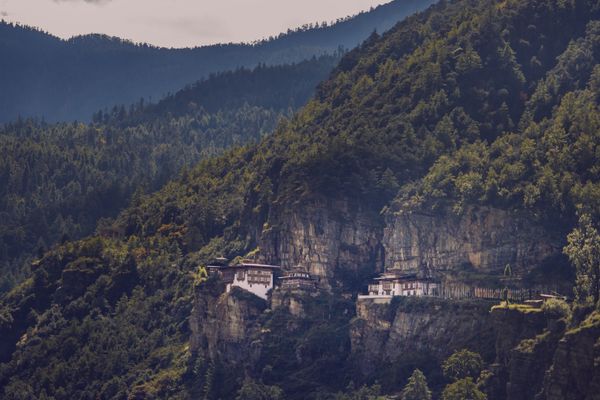
ParoBT · Paro Valley
Paro valley, Punakha day overnight, Tiger's Nest trek
Notes
Mandatory licensed guide. The Sustainable Development Fee is the headline cost; the actual trip is cheaper than people think once you're inside.
Window
When to go
March, April, May, October, November
Spring (March–May) brings rhododendrons in the high valleys and jacaranda blossoms around the Punakha Dzong. Autumn (October–November) is the clearest mountain visibility of the year. December and January are cold but bookable and even quieter.
Tradeoffs: Monsoon (June–September) closes some passes and clouds the views. April is the most expensive month: it overlaps with the Paro Tshechu festival and books out 4 months ahead.
Duration
How long
7 days ideal, 5 minimum
Five days does Paro and one overnight in Punakha. Seven adds proper time to acclimatise before Tiger's Nest, a Thimphu morning, and a day with no agenda, which is the way Bhutan is meant to be done.
Indicative budget
Per person, GBP
- Flights
- ~£950
- Accommodation
- ~£720
- Activities
- ~£540
- Ground transport
- ~£220
- Food
- ~£180
- Buffer
- ~£140
SDF of £80/night × 6 nights = £480. Mid-tier hotels (~£90/night), licensed guide + driver (£100/day shared between two), entrance fees. LHR–Paro via Delhi or Kathmandu on Druk Air. Higher-end Aman properties triple the budget.
Estimate only. We don't see live prices.
Day by day
A skeleton
- 1
Arrive Paro, acclimatise
Druk Air into Paro, left-side window for the Himalaya pass
Slow walk along the river
Early dinner of ema datshi (chilli + cheese)
Sleeping in Paro valley farmstay or boutique hotel
- 2
Drive to Thimphu
Hour to Thimphu
Tashichho Dzong and the giant Buddha
Walk the weekend market if it's Saturday
Sleeping in Thimphu hotel
- 3
Over Dochula to Punakha
Drive over Dochula Pass (clear morning, ideally)
Punakha Dzong walk-around
Hike to Khamsum Yulley chorten in the afternoon
Sleeping in Punakha riverside lodge
- 4
Punakha morning, back to Paro
Suspension bridge walk
Drive back to Paro via Thimphu
Quiet evening, early night
Sleeping in Paro farmstay
- 5
Tiger's Nest
Start the trek by 07:30
Hour at the monastery
Lunch at the cafeteria halfway down
Hot stone bath in the evening
Sleeping in Paro farmstay
- 6
Slow morning
Drukgyel Dzong ruins
Kyichu Lhakhang (one of Bhutan's oldest temples)
Pack
Sleeping in Paro farmstay
- 7
Fly home
Early Druk Air departure
Sleeping in Plane
Also consider
Adjacent
Add Bumthang
Three more days east gets you to the Bumthang valleys, the spiritual centre of Bhutan and where the festival calendar runs deepest. Adds a long drive each way; not worth it on a first trip unless you're chasing a specific tshechu.
Trek the Druk Path
A 5-day high-altitude trek between Paro and Thimphu, camping at lakes above 4,000m. Replaces the Punakha night and most of the cultural sites; better suited to a second visit.
Fits your style
How it lines up
Bhutan punishes travellers who want to optimise. The pace is set by the guide and the road. The trip is meant to be partly about not getting much done. If your idea of a holiday involves checking off ten cities, this isn't it.
Practical
Before you go
- Visa
- All foreign visitors except Indians, Bangladeshis, and Maldivians need a visa, arranged through a licensed Bhutanese tour operator before arrival. Allow 2 weeks.
- Vaccines
- Routine boosters. No malaria risk in the valleys above 1,700m, which is most of where you'll be.
- Safety
- Among the safest countries in the world. The risks are altitude (Tiger's Nest, Dochula Pass) and the mountain driving. Both are managed by the licensed guide system.
- Money
- USD cash converts at the airport. ATMs are unreliable; cards work at some hotels. The SDF and all guide/driver costs are pre-paid; you'll spend cash on tips, drinks, and shopping.
Sort these out
Citations
Sources
The Sustainable Development Fee is USD 100 per adult per night (halved from 200 in late 2023). It covers healthcare and conservation, not the trip itself.
Tiger's Nest is a 4 to 6 hour round trip with roughly 520 to 700m of climb. Acclimatise for at least one day at altitude first.
Cross Dochula Pass at 3,100m on a clear morning, then descend into Punakha; the Dzong at the confluence of the Pho and Mo rivers is the photo set piece.
Tap a numeral to preview the source.